Starting an IPTV reseller business in the US: what actually matters in 2026
Forget the "make money while you sleep" videos. This is the unglamorous, working checklist for building a reseller operation that survives its first year.
Every week someone lands in our WhatsApp with the same plan: buy cheap credits, resell with margin, profit. Six months later, most of them are gone — not because the market is dead (it is enormous, especially across the US Hispanic audience), but because they treated a service business like a dropshipping hustle. Here is the version of the plan that survives.
Get the foundation right before the first sale
Test your upstream provider for a full month. Your wholesale provider is your product. Watch it on Sunday night during the game, not Tuesday at noon. If it buffers for you, it will buffer for your customers — except they pay you for it.
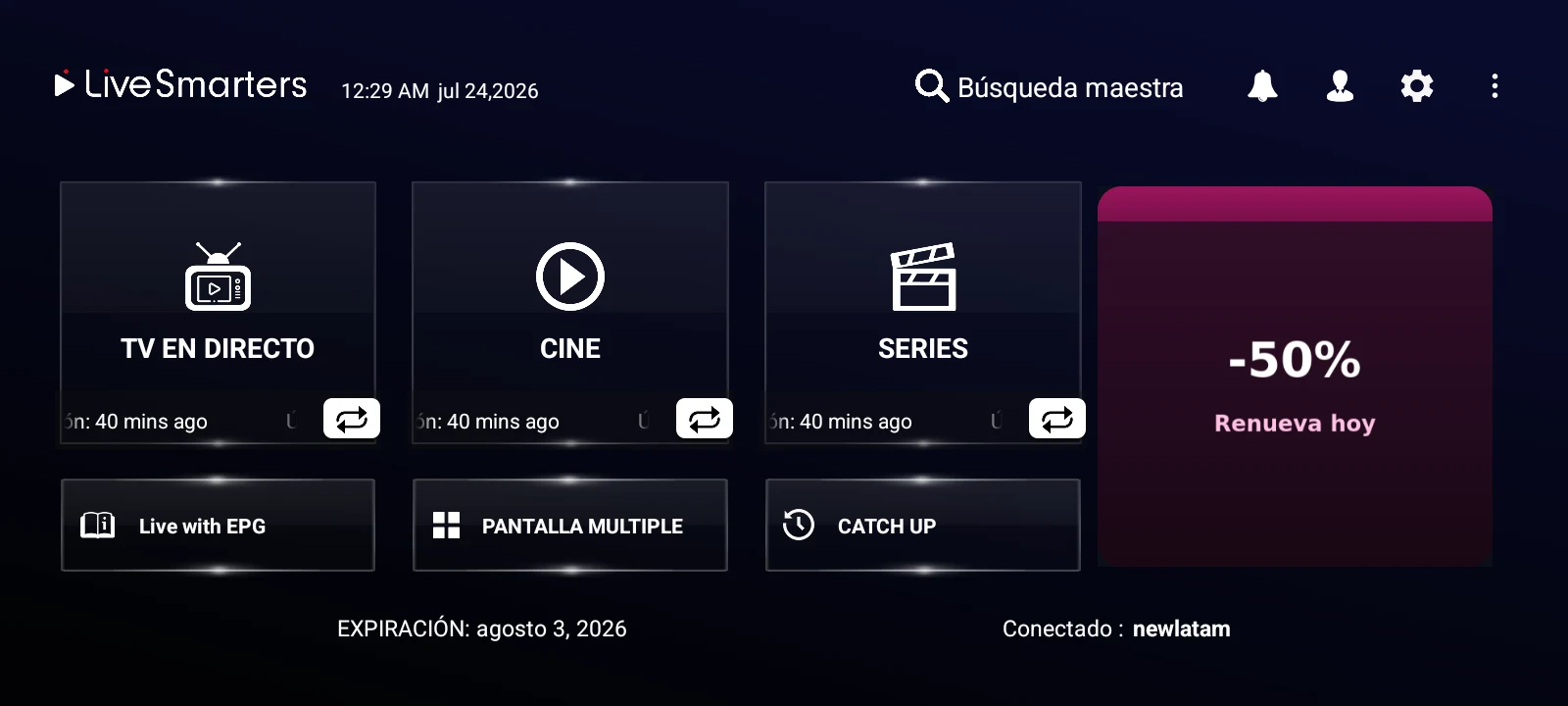
Run a real panel from day one. Creating accounts, suspending non-payers, tracking connections. A reseller managing fifty customers from a notebook is not running a business; he is doing unpaid data entry with churn.
Decide your price before your competitor does. The race to $5/month is a race to working weekends for free. The resellers who last charge $15–20 and justify it with the three things cheap competitors cannot copy: stability, a branded app, and support that answers.
The two moves that separate professionals
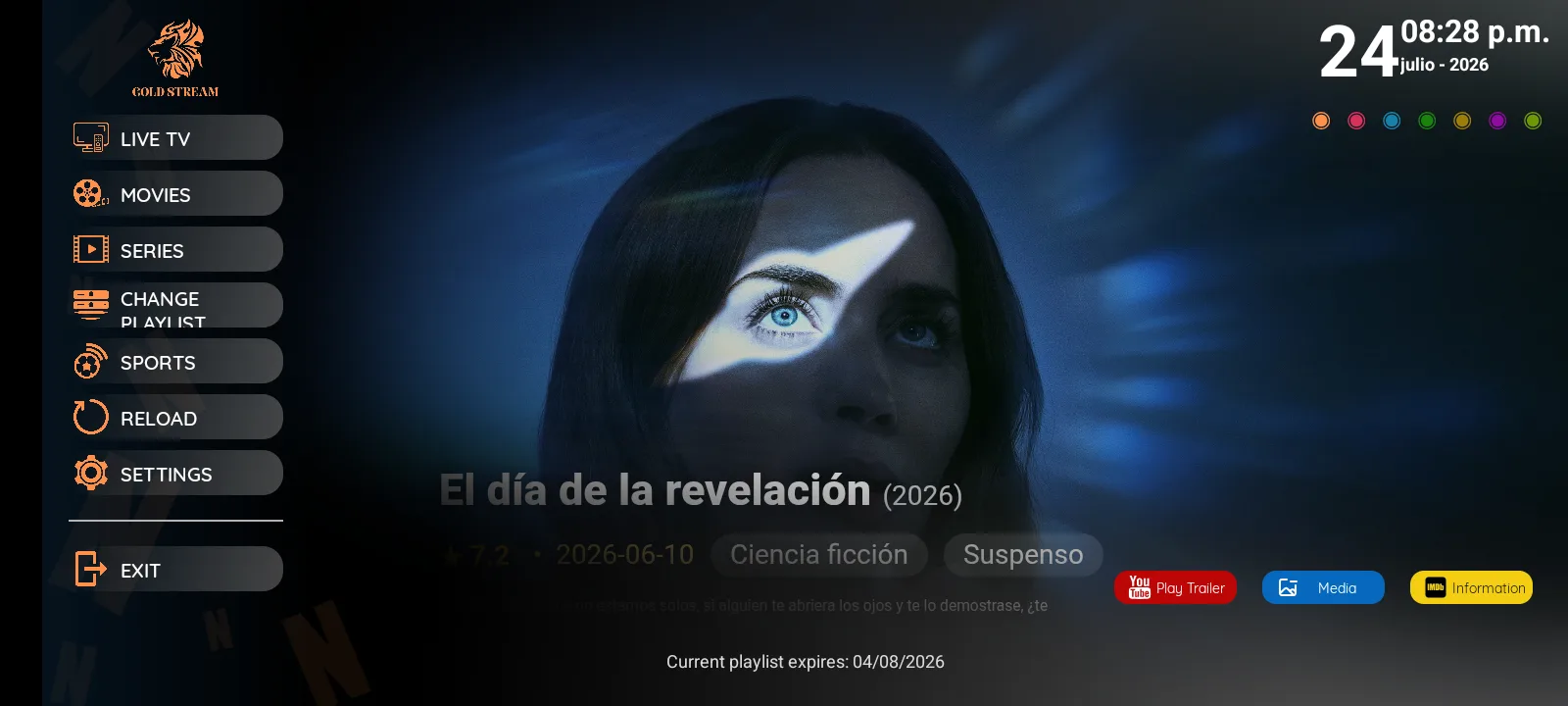
Your own branded app. Handing customers a generic player is handing them a door: any competitor walks in through the same app with a different playlist. When the app carries your name and logo, switching providers means reinstalling and relearning — friction that keeps customers yours. A white-label app costs $50–70 one-time on Android. Spread across your first twenty customers, that is pocket change for permanent differentiation.
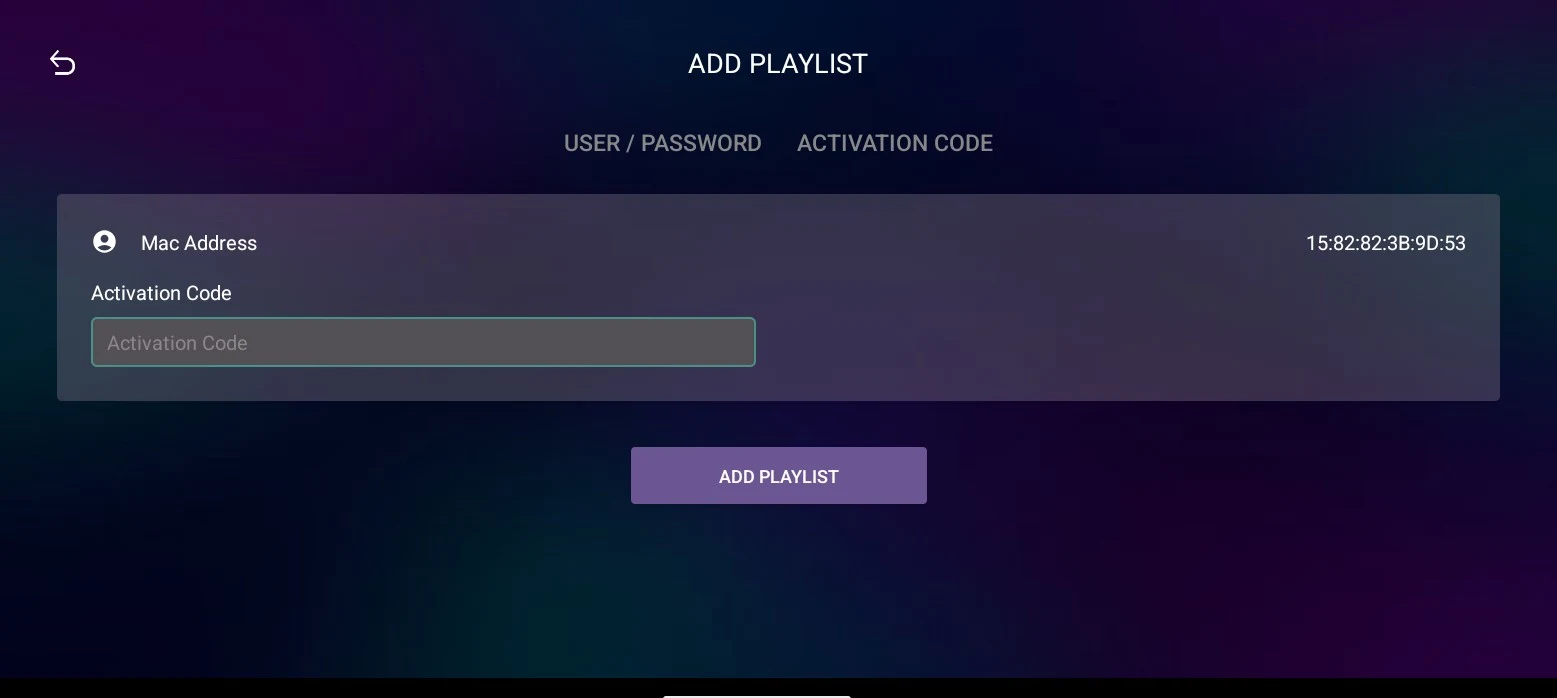
Cover Roku or lose a third of the market. This is the blind spot we see constantly. US streaming households run on Roku more than any other device, and most resellers have literally nothing to offer them — "buy a Fire Stick instead" is a sales pitch for your competitor. An app in the official Roku Channel Store with code-based activation (customer reads you 6 characters, you activate from your panel, their TV loads itself) turns the hardest installation conversation into the easiest one.
What the first year actually looks like
Ten well-served customers who renew beat a hundred bargain hunters who churn. Word of mouth is the only marketing that works in this niche, and it only says good things about services that work. Keep support hours, keep saved replies for the five classic problems, keep promises smaller than your server's capacity.
The toolkit — app catalog with public one-time prices, Roku line, panels included — is the part we solve. The discipline is yours. If you are starting and want a straight answer about which app fits your market, tell us about your customers; we have watched hundreds of these businesses start, and we can tell you what the surviving ones bought first.